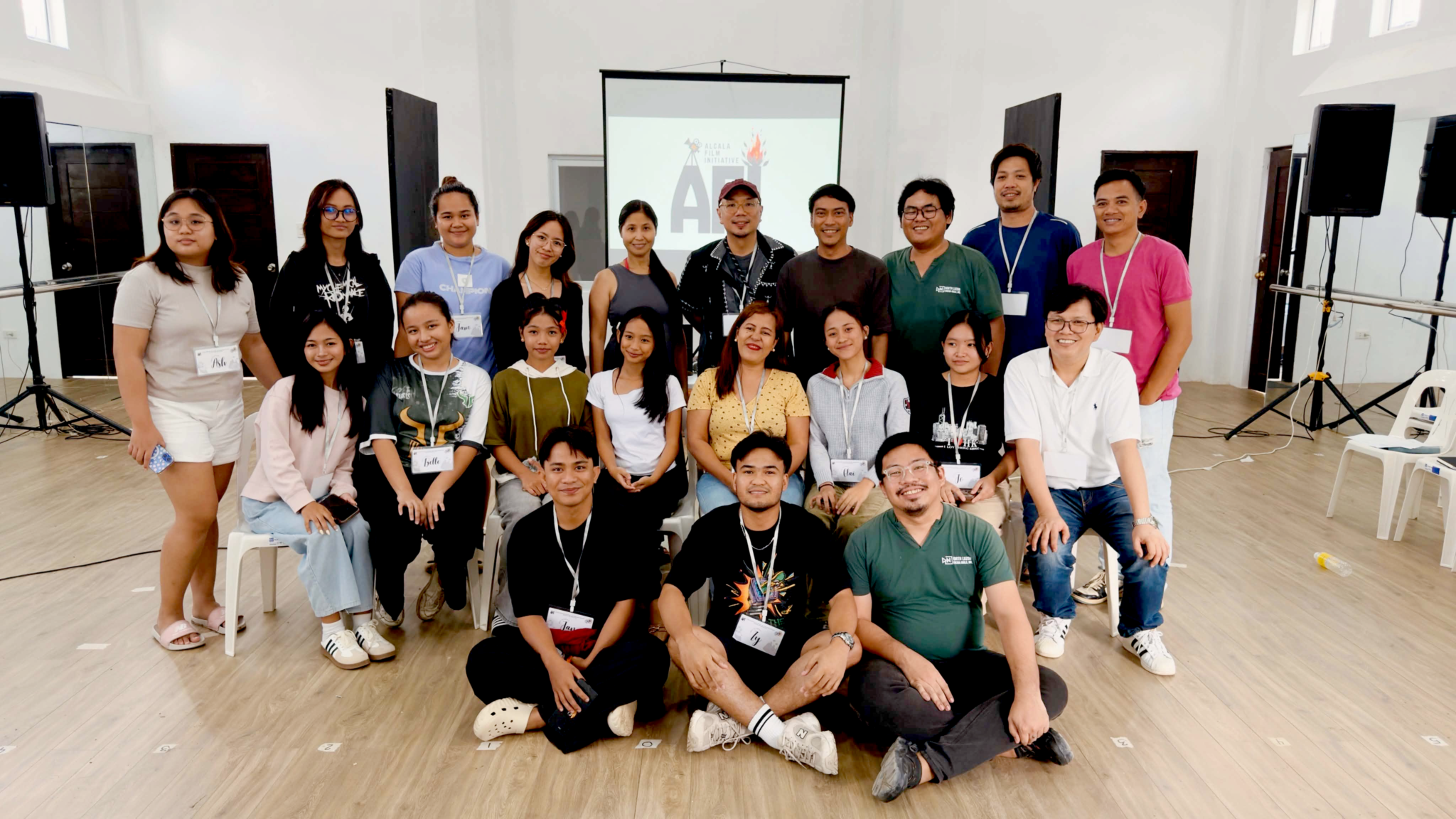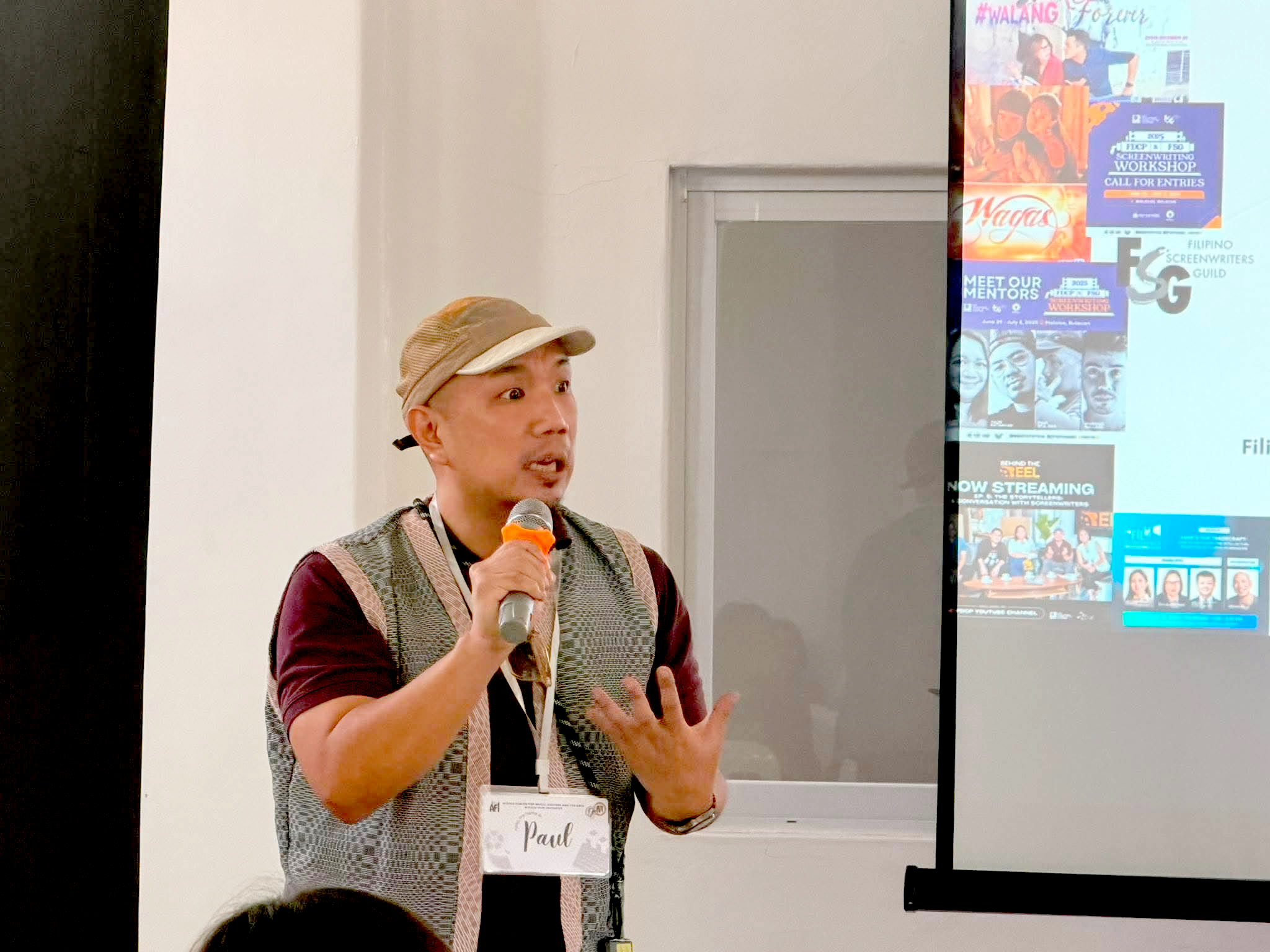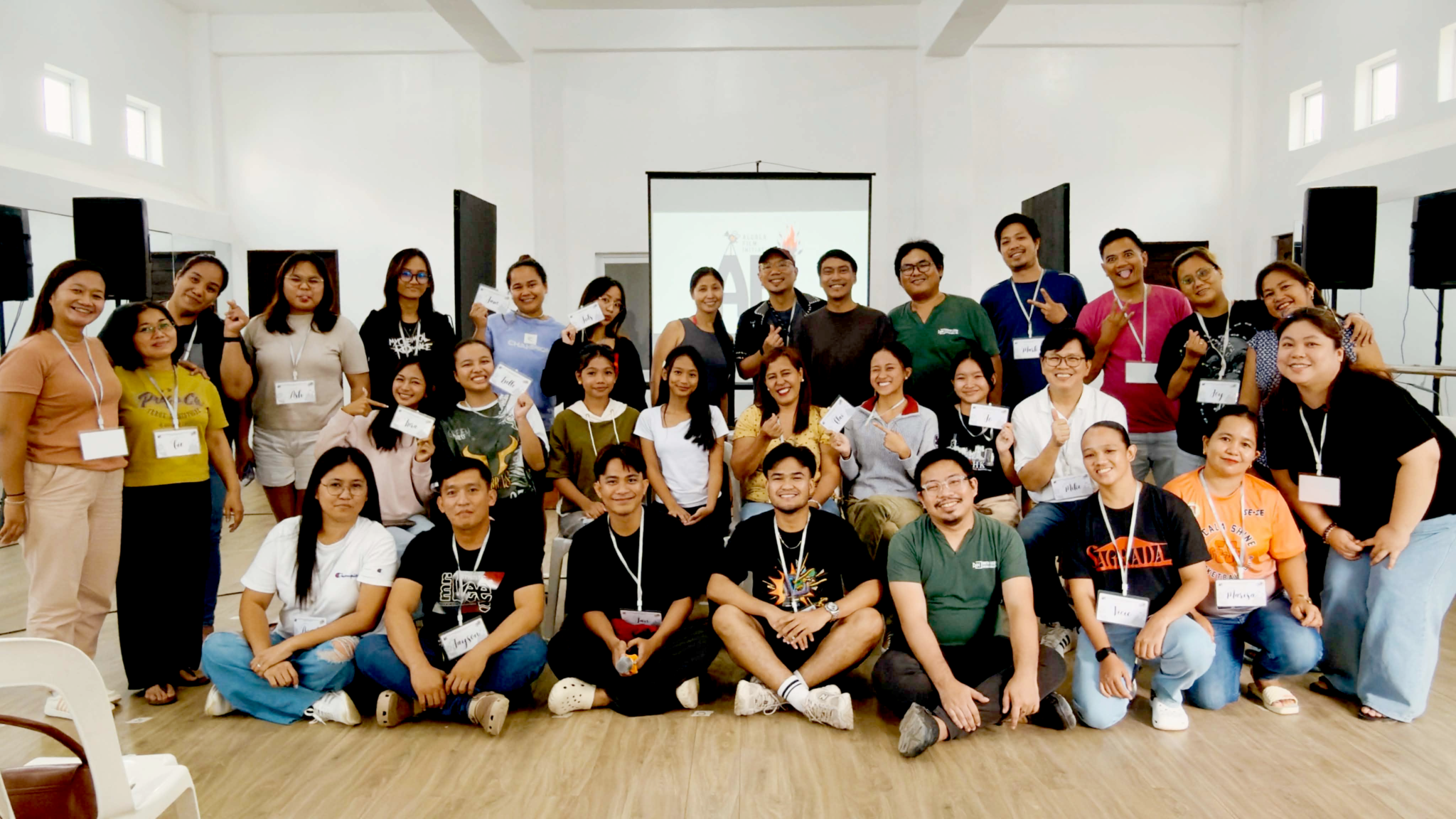
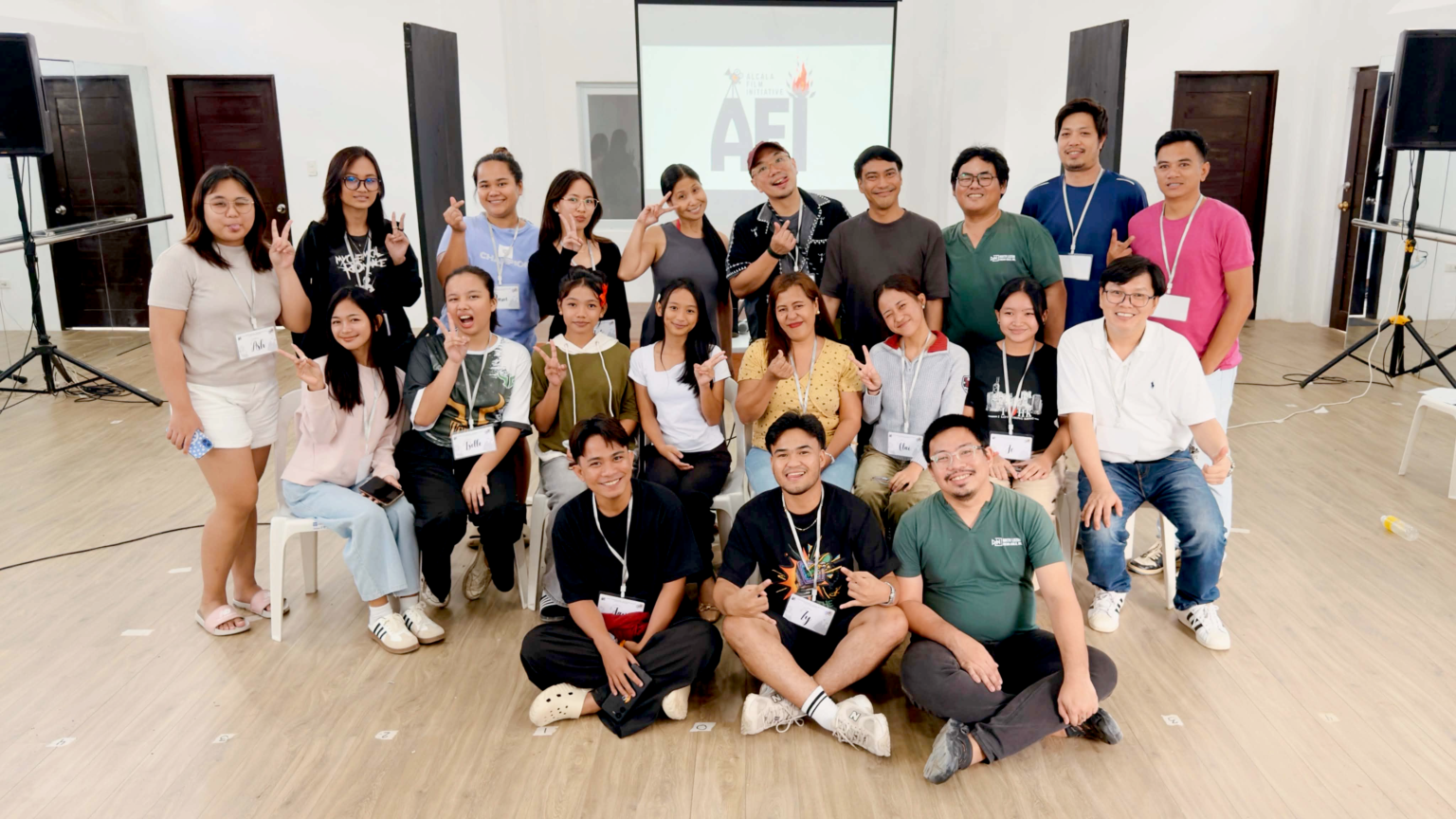
On a humid afternoon in late July, a digital dispatch flickered in from Director Paul Sta. Ana. He was reaching out to us at the North Luzon Cinema Guild with a compelling proposition: would we make the journey to Alcala—a picturesque municipality cradled along the wide, winding bends of the Cagayan River—to help launch the Alcala Film Initiative? The assignment was delightfully open-ended. We were invited to lead a physical workshop, share our hard-won lessons on grassroots community building, and demystify the art and alchemy of cinema for a new cohort of homegrown storytellers.
We had already caught glimpses of the project floating through our social media feeds months earlier—a quiet, tantalizing anomaly in an endless stream of digital noise.
In a region far removed from the high-octane production hubs of Metro Manila, the idea of a small municipality intentionally carving out a safe, collaborative sanctuary for local cinema was not just intriguing; it felt downright radical.
Following a series of online strategy calls, the digital abstraction gave way to lively reality. On July 25, 2026, the workshop kicked off in person, bringing us face-to-face with a room full of eager participants. They arrived from wildly different walks of life, carrying varying degrees of technical know-how but bound by a shared, palpable curiosity.

My colleague Joseph Arcegono and I opened the session by steering the conversation toward core artistic motivation: Why do we make art or film? From there, we traced the delicate arc of building creative communities, breaking down the mechanics of turning abstract ideas into collaborative motion picture sets. Yet, watching the participants unpack their personal motivations and local folklore, a fundamental question lingered in my mind: How do you truly introduce the sprawling universe of cinema to a group taking its very first steps into it?
It soon became clear that technical jargon—truth-telling, character-building, elements of film—was secondary. The true heartbeat of the workshop lay in helping the cohort uncover what actually constitutes an “Alcala Film.” This was never meant to be a polished municipal branding exercise or a slick tourism campaign. Rather, it was an invitation to mine the town’s authentic identity—its quiet rhythms, peculiar traditions, and complex local social realities.
What gives the Alcala Film Initiative its undeniable spark, however, is the surprisingly bold vision powering it behind the scenes. Grassroots art projects often flicker out on the fragile margins of volunteerism, but here, municipal leadership has stepped directly into the frame. Mayor Cristina “Tin” Antonio was not merely present; she was fully immersed. Alongside her partner, Atty. Joel Butuyan—an accredited lawyer with the International Criminal Court who represents victims of the Philippine government’s drug war—the mayor opened up their personal art collection for a private tour with us, Sta. Ana, and acclaimed filmmaker Carlo Obispo.
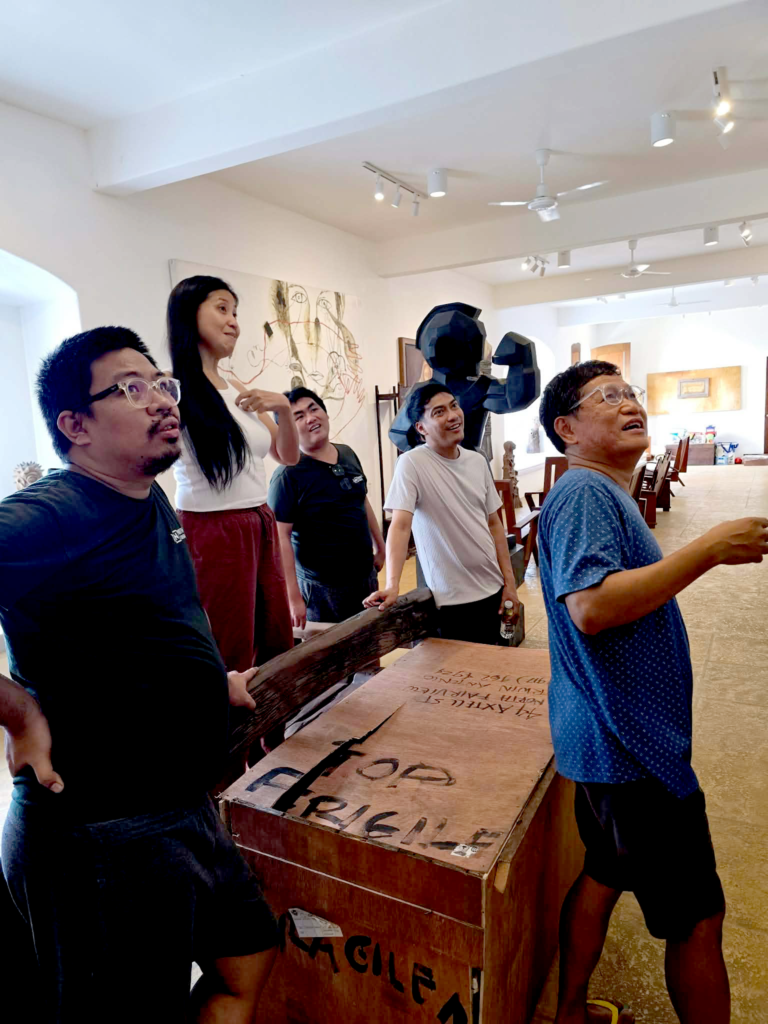
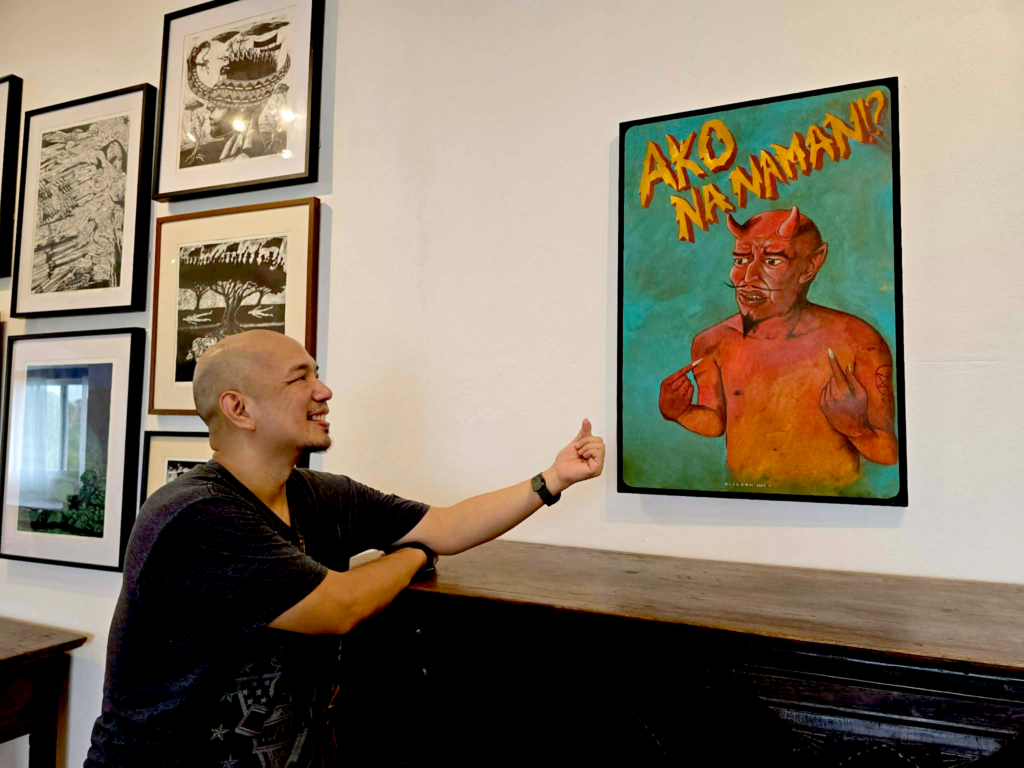
The collection proved to be a revelation. Far from stuffy or ornamental, the pieces tackled raw, urgent themes: the mechanics of power, narrative distortion, marginalized voices, and environmental precarity—interspersed with a playful, delightfully eccentric sense of humor that celebrated bodily form and imagination.
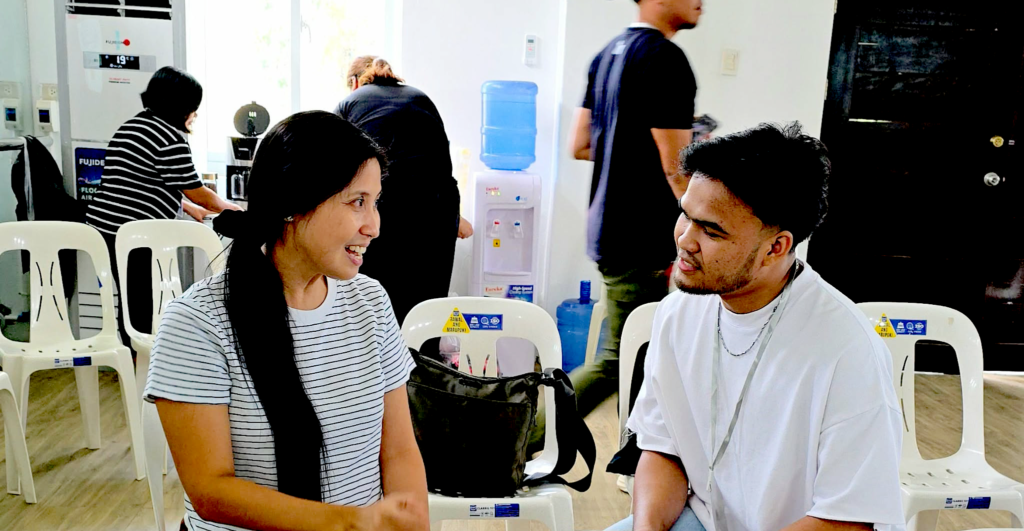
During one session, Mayor Tin laid out a challenge that felt refreshingly candid for a public official: she explicitly urged participants to reject glossy, sanitized propaganda and instead embrace the flaws, paradoxes, and sharp realities of their town.
That spirit of unvarnished storytelling was further sharpened when Director Carlo Obispo—celebrated for his empathetic, grounded indies like Purok 7 and The Baseball Player—led a masterclass on pitch loglines. Following a screening of Purok 7, Obispo worked hands-on with the participants, stress-testing their loglines to ensure every premise retained its distinct local charm while packing an emotional punch.

By the time the weekend drew to a close, the shift in the room was unmistakable. Participants spoke with newfound conviction, realizing that their daily lives and local histories were not mundane, but rich canvas waiting to be explored. They recognized that holding a camera gives them the agency to interrogate their own status quo and mirror their community’s soul back to itself.
The Alcala Film Initiative is a striking proof of concept. Passion can ignite an idea, but when local leadership steps up—treating culture not as a superficial vanity project, but as a vital civic investment—art begins to take root and flourish organically.
The Alcala Film Initiative runs bi-monthly weekend sessions (Saturdays and Sundays) and continues to welcome new local participants. Updates and application details are available through the official pages of Atty. Tin Antonio and the Alcala Center for Music, Culture and the Arts.