The Accent of Belonging:

When Does a Mother Tongue Become Superficial?

by Jerome Dulin

The Museum Screening

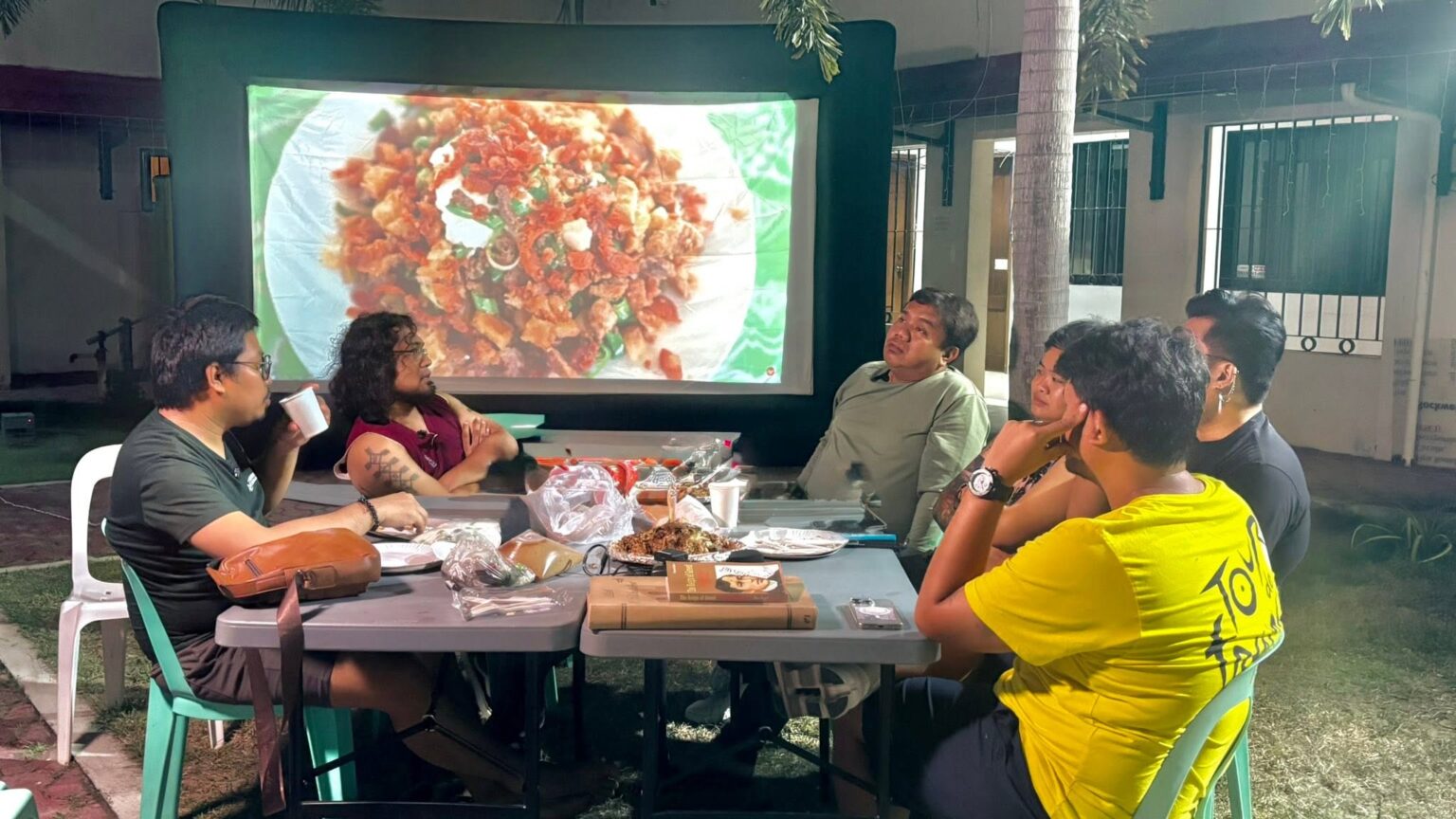
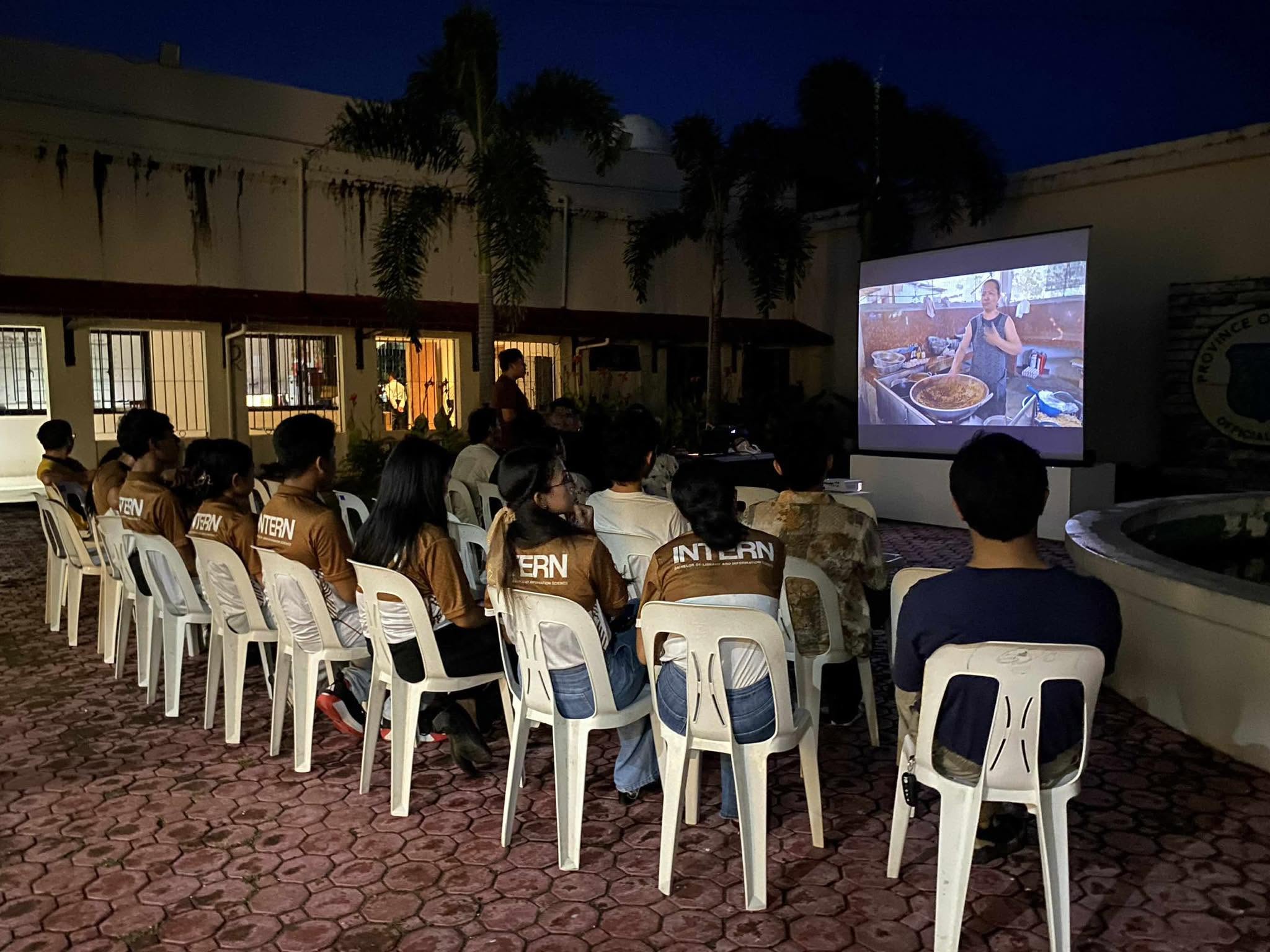
Inside of the Cagayan Museum and Historical Research Center’s courtyard—a long-standing cultural sanctuary nestled in the heart of Tuguegarao City—the atmosphere is charged with a quiet, collective intimacy. It is one of those warm northern evenings where filmmakers, students, and curious locals gather to watch a curated selection of regional shorts. On-screen, light flickers over backdrops that the audience immediately recognizes: familiar street corners, dusty provincial avenues, and the recognizable curves of the Cagayan landscape.

As the credits roll, murmuring ripples through the crowd. There are warm pats on the back for the young directors and appreciative nods for camera angles that make home feel cinematic.

Then, from somewhere near the back row, a sharp, casual critique cuts through the crowd: “Hindi naman ganyan ang Ibanag, Ilokano, o Itawes. Mali pa ang grammar.” (“That’s not how true Ibanag, Ilokano, or Itawes sounds. Even the grammar is wrong.”)

It is a subtle, almost knee-jerk act of linguistic gatekeeping. In a single sentence, the complex, vulnerable effort of a young filmmaker attempting to honor their roots is reduced to a matter of syntax and accent.
 

The Legacy of the One-Peso Fine

To understand why a flawed accent triggers such scrutiny today, one must unearth the educational policies of late-twentieth-century provincial classrooms. Growing up in the 1990s, the linguistic hierarchy was clearly demarcated from primary school onward. English was the language of intellect, prestige, and upward mobility.

In many classrooms across the country, speaking one’s mother tongue—or even national Tagalog outside of designated Filipino periods—was treated as a mild offense. Teachers enforced a strict “English Only” policy, punctuated by a literal monetary penalty: a one-peso fine collected for every non-English word uttered in class. The message was relentless and unmistakable: to be educated was to speak the colonizer’s tongue with fluid precision, rendering regional languages like Ibanag, Itawes, Malaueg, or Kalinga inherently secondary, if not primitive.

The systemic consequence of this policy was a generational rupture. Families began prioritizing English at home, creating households where ch

Coffee, Hokkien, and Lola Juana

The personal antidote to this institutional detachment often arrived in quieter, unscripted spaces. Lacking fluency in the local languages during childhood, many young people learned to navigate their own heritage through survival and curiosity—memorizing swear words traded among cousins before eventually tackling the nuanced rhythms of home.

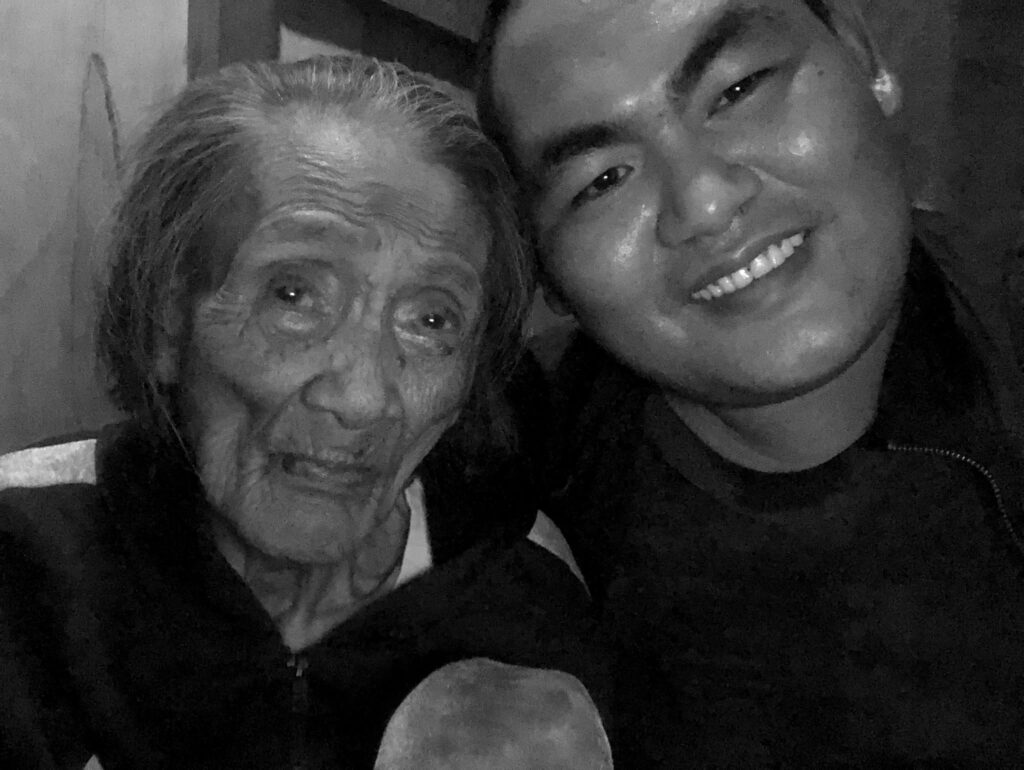
For me, the bridge was my paternal grandmother, Lola Juana.

Living under the same roof, our early attempts at conversation were awkwardly stitched together. She would try her hand at Tagalog or simple English phrases to reach me, while I fumbled through broken Ibanag and Ilokano. But the kitchen became our shared classroom.

Watching her manually roast and grind coffee beans, plant vegetables, and stitch clothes, I began acquiring the vocabulary of the land—a sensory immersion that eventually led me to pursue a degree in Agriculture at the University of the Philippines Los Baños. Through these daily routines, I discovered the layered history of her own voice: how she had once learned Hokkien while working as a house helper for a Chinese family in Manila, long before returning home to marry my Lolo Miguel. Her language was not a rigid, textbook specimen; it was a living archive of resilience, migration, and connection.

LINGUISTIC TENSION IN REGIONAL CINEMA
Institutional Gatekeeping
Formal Purity & Academic Standard
  • Strict Grammatical Rules
  • Preserved Dialect Purity
  • Expectation of Native Accent / "Punto"
Creative Reclamation
Living Heritage & Personal Voice
  • Phonetic Scriptwriting
  • Hybrid Generational Slang
  • Imperfect Accent & Authentic Voice
BRIDGING GENERATIONAL LINGUISTIC DISCONNECTS

Scriptwriting as Cultural Reclamation

Since the establishment of the North Luzon Film Festival in 2017, the North Luzon Cinema Guild, Inc. (NLCGI) has advocated the integration of native tongues in regional cinema. The goal was never to treat local dialects as a gimmick or a branding tool, but to offer emerging directors a medium through which to discover their authentic artistic voice.

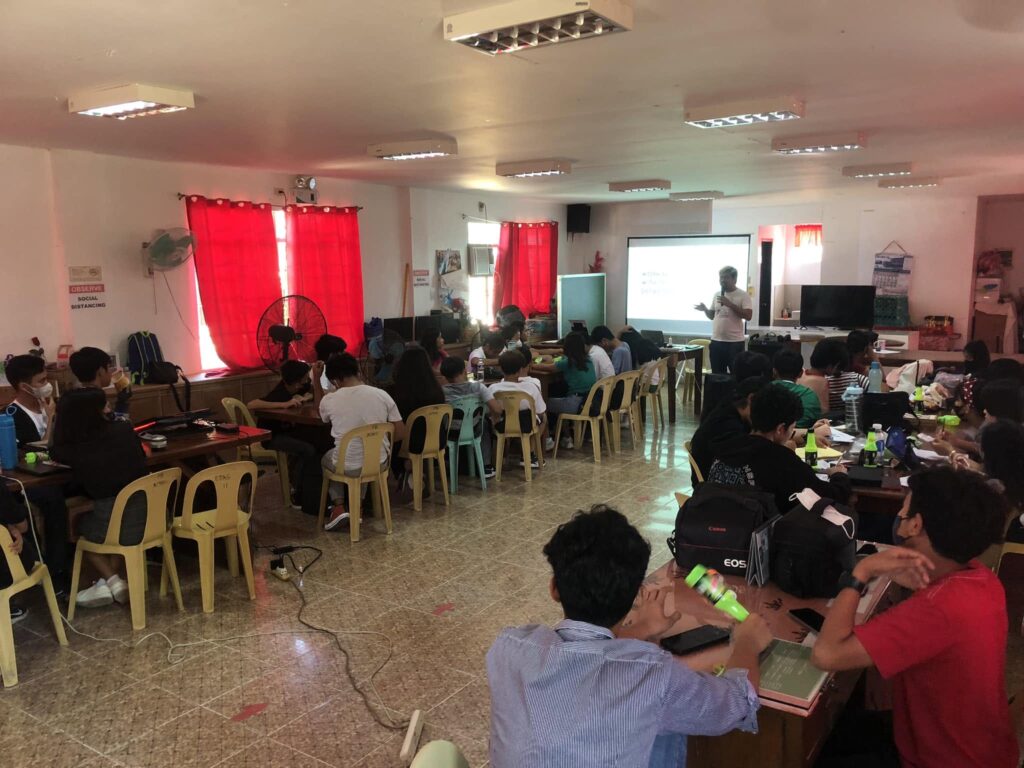
Today, scriptwriting in the provinces is an act of cultural translation. Long before cameras roll, young filmmakers sit with local advocates—consulting figures like Jake Coballes of the Cagayan Heritage Conservation Society, alongside researchers like Michael Tabao, Winston Macarubbo, and Kevin Baclig—to translate their internal thoughts into Ibanag or Itawes dialogue.

When these filmmakers incorporate regional idioms, local slang, or a flawed punto into their movies, it is not a sign of carelessness. It is an intentional, courageous attempt to bridge a generational gap. In an era where toddlers absorb iPad videos and acquire British-accented English before learning their hometown’s native phrasing, any effort to engage with regional heritage is a vital step toward preservation.

The Resonant Resolution

Earlier this year, while speaking at a film workshop in Ilocos Norte, I delivered part of my address in Ilokano. Afterwards, an organizer gently informed me that my accent revealed I wasn’t a “true” or native Ilokano. That remark might have stung. In that moment, however, the disconnect was clear: perfection in cadence matters far less than the sincere intent to communicate.

Language is an evolving, liquid entity. Today’s youth fuse regional vernacular with modern Internet slang—blending heritage phrasing with contemporary slang—to create something distinctly their own. To insist on absolute linguistic purity at the expense of creative expression is to freeze a living culture in glass.

It is never superficial to try to speak a language, no matter how imperfect the grammar or how awkward the accent. The earnest desire to connect is what truly endures.

“Ironically, I am using English here to connect with a larger audience and convey the quiet joy of speaking our local tongue. It goes beyond mere multilingualism—it is about sharing the depth of our cultural identity and celebrating the heart of our community.”

Para kani Lola Juana:

Mabbalo na Lola ta inuffunan mu sakan nga makaergo nikaw anna masita i kakastan na mundo anna tottolay taw ta davvun.

(For Lola Juana: Thank you, Grandmother, for helping me speak with you and for showing me the beauty of this world and the people upon this earth.)