
The Regional Film Paradox:
Promoting Regional Cinema to Communities That Can’t Even Watch It
by Sef Arcegono | Photos from Gulay lang, Manong! , KT House Production, All the things I leave you- Patawid
The fundamental irony of Philippine regional cinema is that its stories travel everywhere except home.
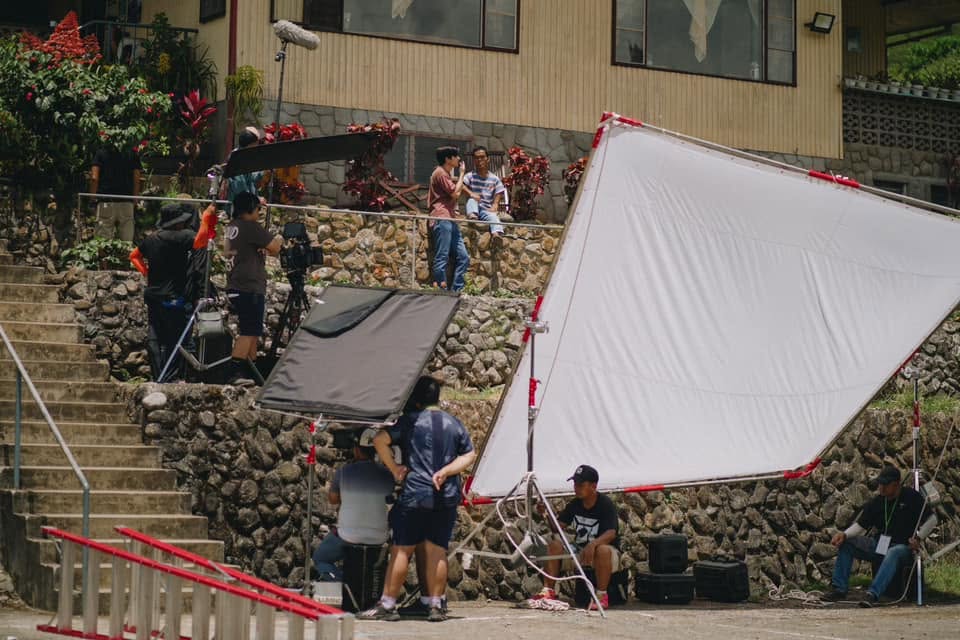
The first feature-length project I worked on—Dapol Tan Payawar na Tayug 1931 (The Ashes and Ghosts of Tayug 1931)—was selected as a finalist at the Quezon City International Film Festival. Lensed in Bayambang and Tayug, Pangasinan, and spoken in the melodic, deliberate rhythms of Pangasinense and Ilocano, it was a regional film in the truest sense.
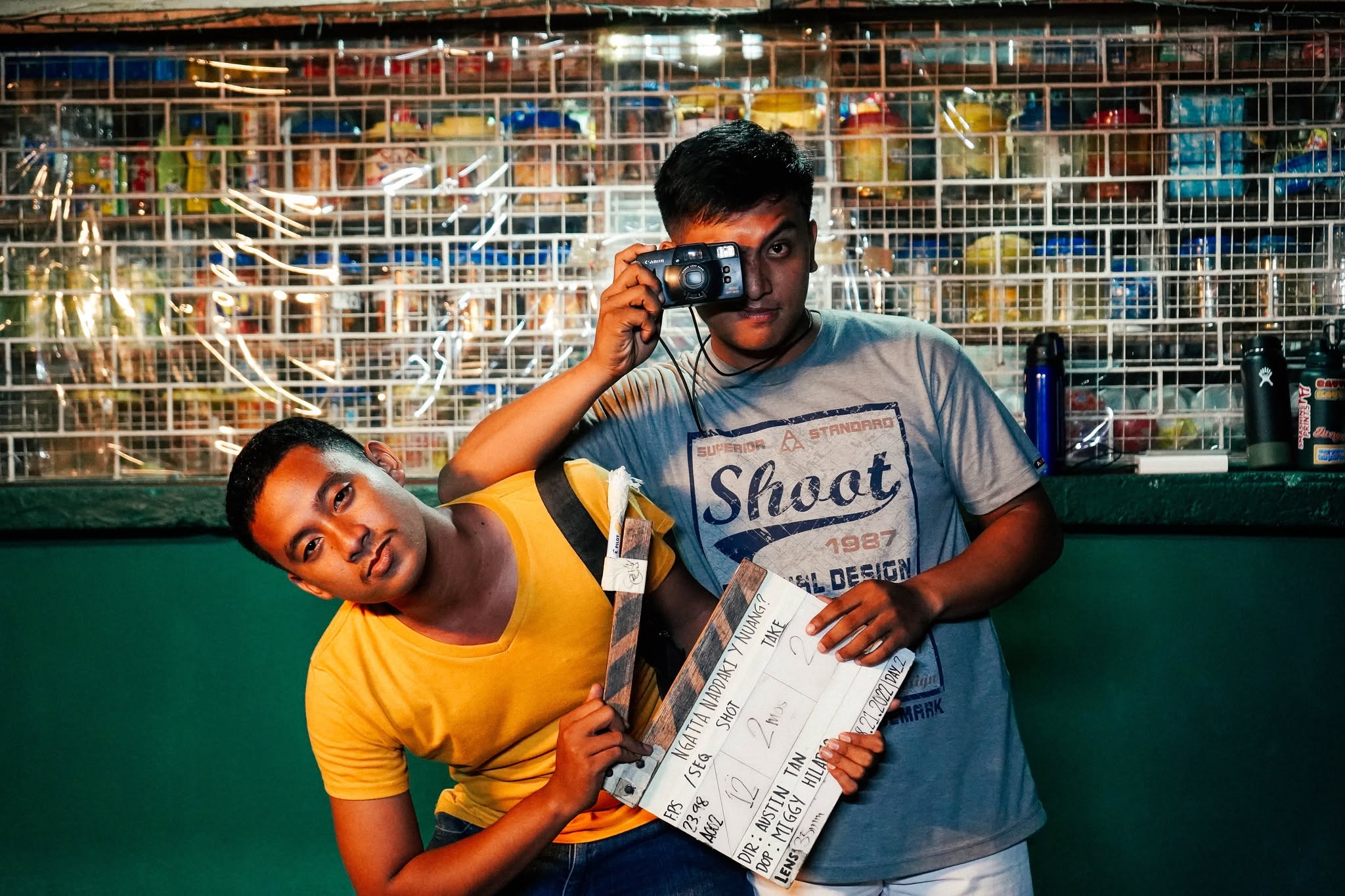
Since that debut, my work as a practitioner and logistics coordinator has taken me across Northern Luzon’s varied cinematic terrain: from the hyper-vibrant youth drama Cleaners and Ngatta Naddaki Y Nuang? (Why did the Carabao Cross the River?) in Tuguegarao, to Children of the River in Quirino, Gulay Lang Manong in Nueva Vizcaya, and All The Things I Leave You in Ilocos, which I co-wrote. I have assisted in marketing Child Number 82, which was shot in Ilocos and worked on Kaka sa Yawan, shotin Mindoro. Yet, despite their geographic and linguistic diversity, these works share a singular, heartbreaking fate: once they leave their shooting locations for the metropolitan festival circuit, they almost never return. They exist as ghost films to the very communities that birthed them.

The View from the Ground
The systemic resistance to regional filmmaking begins long before a camera rolls. In pre-production, casting local non-actors often requires navigating a deeply ingrained cultural reticence—a widespread shyness before the lens. Yet, whenever enthusiasm manages to eclipse self-consciousness, local talent invariably asks a question that stings with its simplicity: “Sir, where will we be able to watch this?”
Behind-the-Scene shot Ngatta Nadaki Y Nuang? by Austin Tan
When approaching Local Government Units (LGUs) for institutional backing, the negotiation follows a predictable, transaction-heavy script. Municipal officers ask, almost verbatim: “What’s in it for us?”
We pivot swiftly to the conventional arguments: regional destination marketing, local employment, and prominent placement in the end credits. While this rhetoric occasionally secures permits or modest stipends, it masks a fundamental paradox: how can a civic leader genuinely champion a work of local art when their own electorate will never have the opportunity to buy a ticket?
When critics debate whether major institutions like Cinemalaya should mandate nationwide theatrical runs, public pushback is often swift and dismissive: “Why spend hundreds of pesos on a subpar local film when I could buy a ticket for a Hollywood blockbuster?”
The descriptor “subpar” merits scrutiny. Detractors often complain that mainstream Filipino cinema is trapped in a loop of formulaic romantic tropes and predictable triangles. Yet platforms like CinemaRehiyon demonstrate that narrative innovation is thriving across the archipelagic margins. The issue is rarely a lack of narrative ambition; it is that commercial distribution channels actively wall off these works from general audiences.
The Arithmetic of Ambition: Manila vs. Seoul
Film remains an uneasy marriage between artistic expression and brutal commerce. Like the restaurant trade, experimenting with new recipes carries financial peril. Studios default to established formulas until public fatigue forces a shift. But while universal themes—family, longing, belonging—remain constant across global cinema, the technical execution requires capital that regional filmmakers simply do not possess.
The financial arithmetic of Philippine filmmaking is stark. High-grade digital cinema cameras, lenses, and lighting packages absorb an outsized portion of any production schedule, with daily equipment rentals consuming anywhere from ₱500,000 to several million pesos depending on scale. Today, even a modest feature requires a baseline budget of ₱5,000,000 to achieve competitive production values. Yet the largest public festival grants in the country hover around ₱2,000,000—leaving creators to bridge a staggering deficit through equity, personal debt, or sheer luck.
| SOUTH KOREA (KOFIC) | PHILIPPINES (FESTIVALS) |
|---|---|
| Annual Budget: ₱6.49 Billion (₩150B) | Fragmented State/Public Grants |
| Indie Grants: ₱4.32M–₱21.62M / film | Max Grant: ~₱2.00M per project |
| Development Funding: ₱2.16M–₱4.32M | Minimal / No Development Capital |
| Production Timeline: 3+ Years | Mandated Timeline: Single Fiscal Year |
The contrast with international models, such as South Korea’s state-backed infrastructure, is revealing:
- Institutional Backing: The Korean Film Council (KOFIC) operates on an annual budget of approximately ₱6.49 billion (₩150 billion). Independent and art-house productions access grants ranging from ₱4.32 million to ₱21.62 million (₩100 million to ₩500 million), covering up to 70 percent of total production costs.
- Incubation & Support: KOFIC allocates between ₱2.16 million and ₱4.32 million solely for early script development, alongside a 20 to 25 percent cash rebate for qualifying local expenses.
- Development Timelines: Korean features are afforded a gestation period of three or more years from development to theatrical distribution. Philippine grant cycles, by contrast, routinely demand that a feature be conceived, shot, edited, and delivered within a single fiscal year—ignoring the crucial lab incubation stages required to refine a screenpla
The Distribution Bottleneck
If production is a struggle, distribution is a siege. For a feature film to achieve financial breakeven in the Philippine theatrical circuit, it must gross approximately three times its total production cost—a multiplier required to offset multiplex revenue shares, distributor cuts, and municipal amusement taxes. A project budgeted at ₱10 million must clear roughly ₱30 million at the box office merely to return its initial capital.
(100%)
The disparity in Prints & Advertising (P&A) capital between major studio releases and independent regional works highlights the structural divide:
- Major Studio Releases (₱30M–₱80M+ Budget): Allocate 30% to 50% of production costs (₱10M–₱30M+) to distribution. This secures nationwide saturation across 150 to 250+ screens, high-profile mall tours, cross-network television promotion, and billboard campaigns.
- Mid-Tier Commercial Films (₱10M–₱25M Budget): Allocate 20% to 35% (₱3M–₱8M) targeting 50 to 100 screens, complemented by targeted digital marketing and influencer campaigns.
- Independent & Regional Features (₱3M–₱8M Budget): Allocate a meager 10% to 20% (₱300,000–₱1.5M) for P&A, forcing creators to rely almost entirely on organic press outreach, specialized screenings, and social media.
- Fixed Overhead Barrier: Regardless of scale, any film seeking a commercial theatrical release must clear non-negotiable overhead: MTRCB rating fees (₱15,000–₱30,000), Digital Cinema Package (DCP) mastering and KDM key encryption (₱30,000–₱80,000), and publicist retainers (₱50,000–₱150,000).
Multiplex operators operate on strict commercial metrics. As a cinema representative noted during an industry forum: theater chains incur identical operational costs—electricity, staffing, air conditioning—whether an auditorium holds three patrons or a full house. Consequently, regional works are routinely pulled after a single underperforming screening, if they are given a slot at all. All The Things I Leave You, despite securing a nominal nationwide release, was nearly denied a single screening in Tuguegarao, the very region that informed its narrative.
Alternative avenues offer little relief. Streaming platforms, once hailed as a democratic equalizer for independent cinema, have drastically tightened their regional acquisition pipelines. Gulay Lang Manong, despite critical acclaim and strong audience engagement during its Cinemalaya run, was unable to secure a SVOD acquisition deal, leaving its creators dependent on self-organized community screenings to keep the work in public view.
The Cultural Dilemma
This brings us to a fundamental question of economic reality. In a country where daily wages are fiercely prioritized for basic necessities, expecting working-class audiences to pay premium ticket prices for unheralded local titles is an uphill battle.
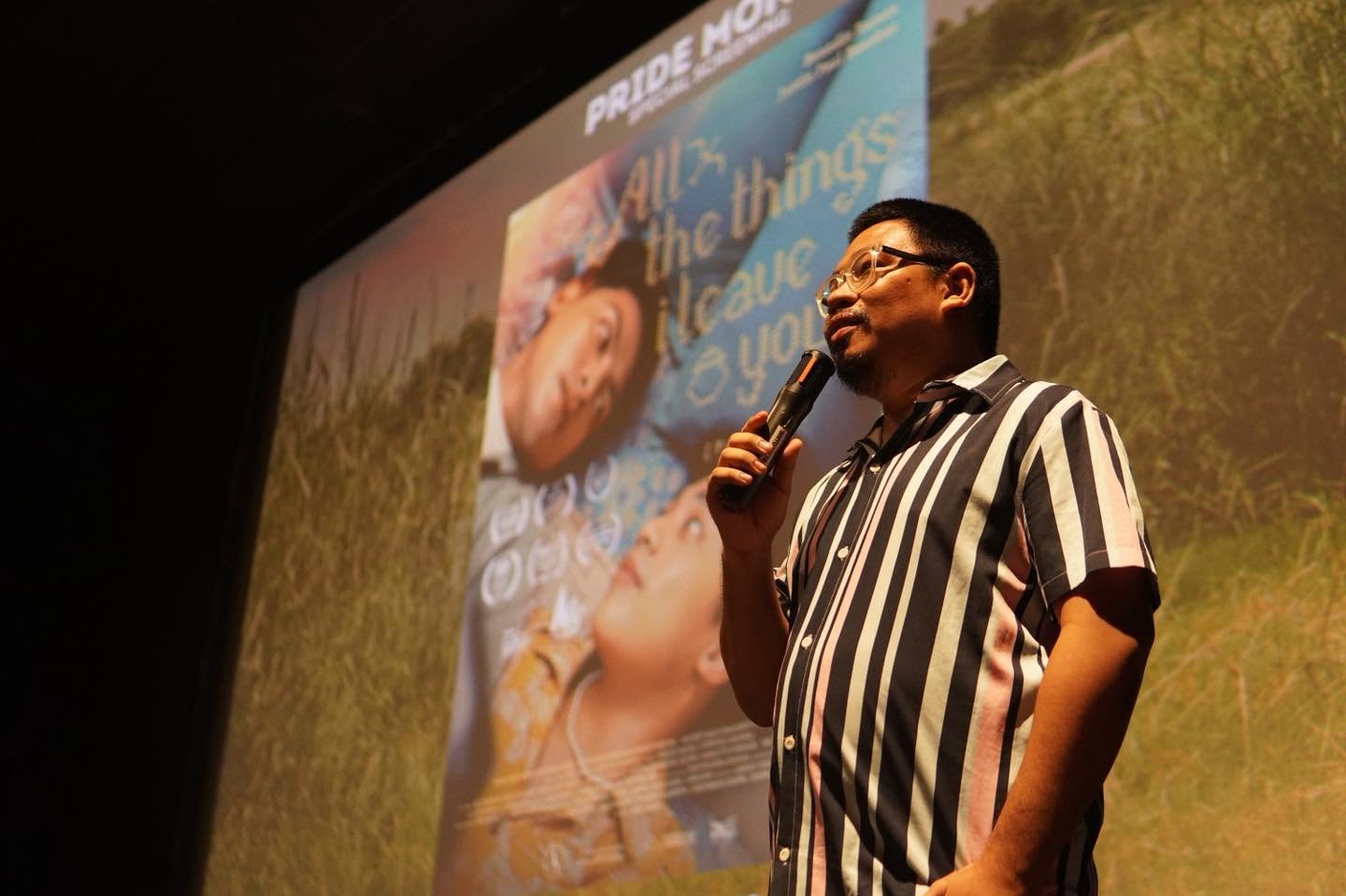
Tuguegarao Screening of Patawid (All the things I Leave You) by Jade Castro.
The call to decentralize Philippine cinema is not merely a critique of metropolitan festival curators; it reveals a structural crisis that affects mainstream institutions like the Metro Manila Film Festival (MMFF) as well. When commercial theaters prioritize short-term margins and audiences default to foreign blockbusters, regional filmmakers find themselves caught in a cycle of displacement.
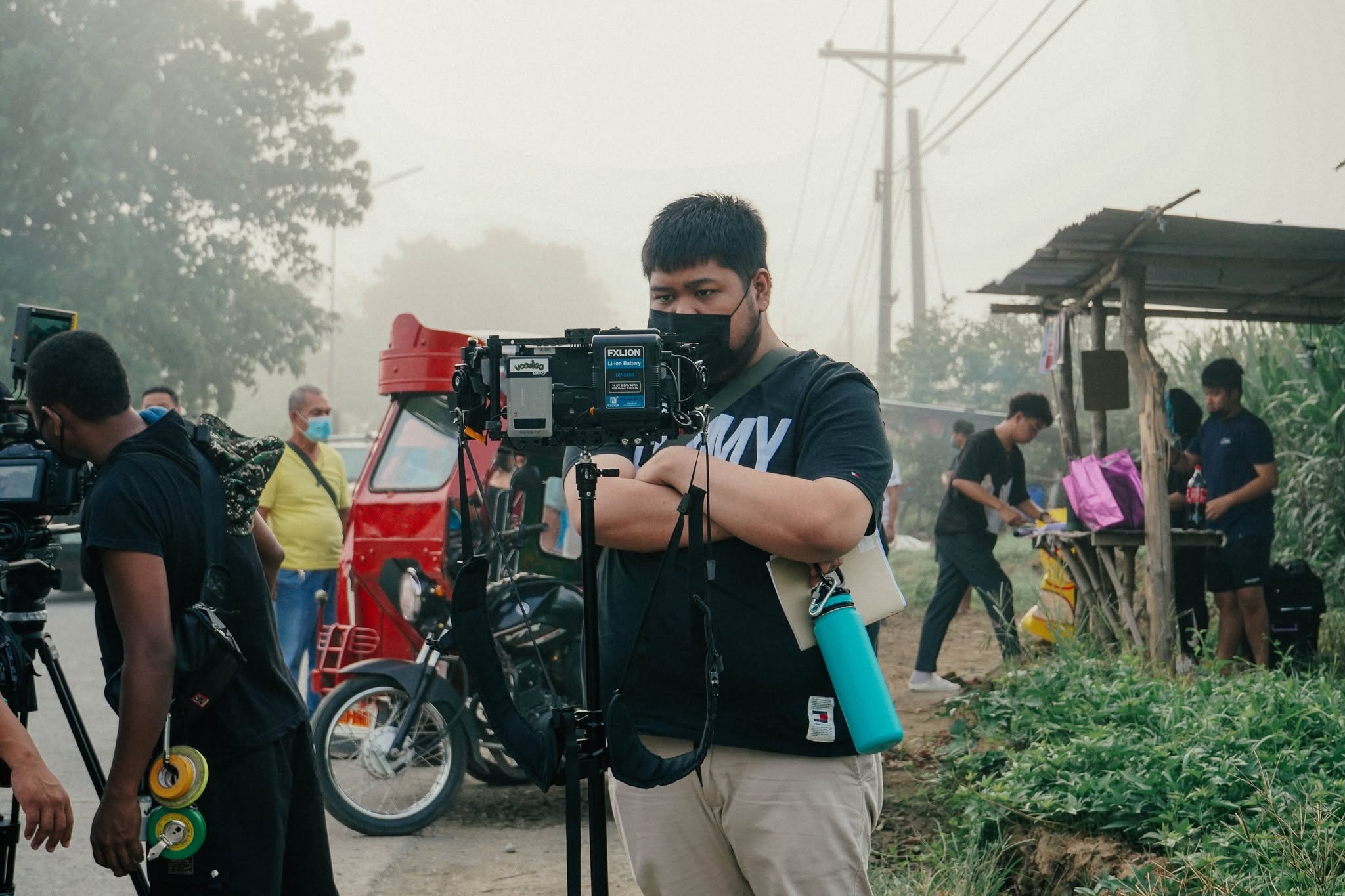
Behind-the-Scene shot Ngatta Nadaki Y Nuang? by Austin Tan
If local audiences are never given accessible pathways to engage with stories rooted in their own landscapes, and if cinema operators view regional works purely through the lens of short-term venue yield, where does regional cinema go from here? Without structural intervention, policy reform, and dedicated regional exhibition spaces, we risk accepting a quiet reality: a cinema that speaks eloquently to the world, while remaining completely silent at home.
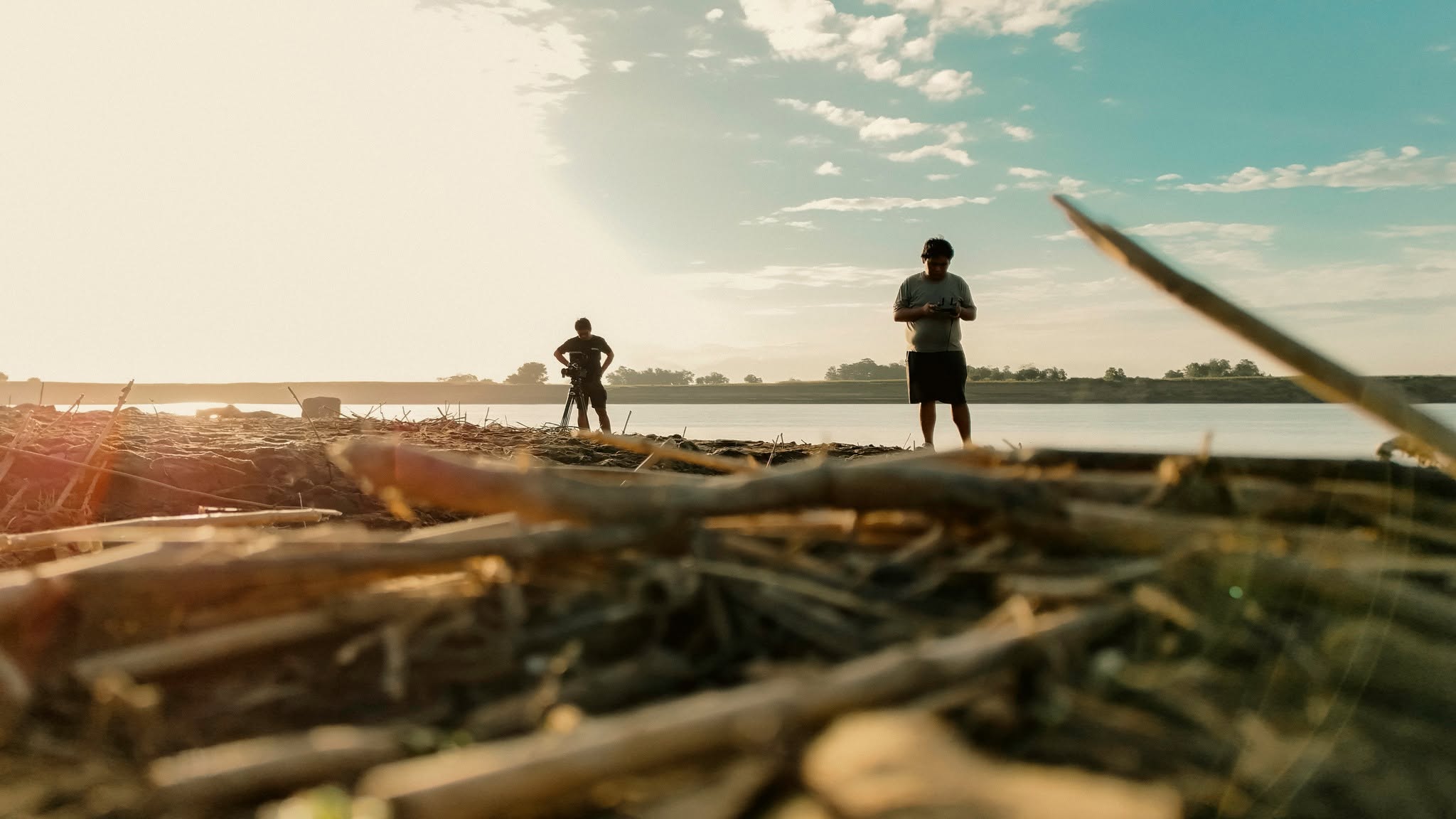
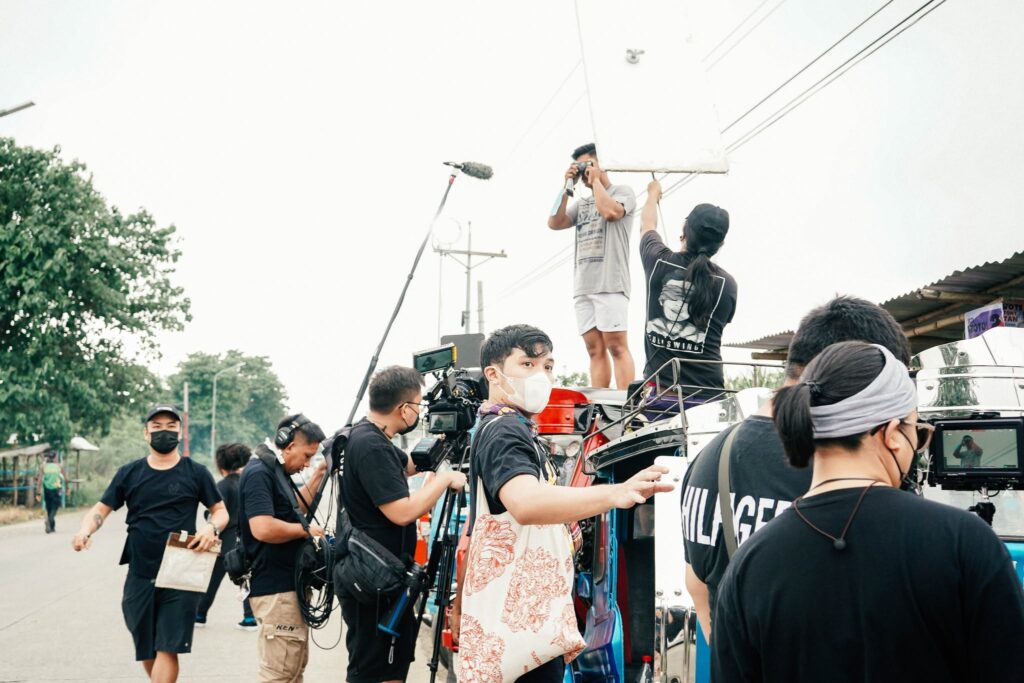
Behind-the-Scene shot for I Bannag ta Pansi Batil Potun by Jerome Dulin
